Superfat and Lye Discount, Explained With a Worked Example
Superfat and lye discount are the same adjustment described from opposite ends. Here is the arithmetic, worked in full, and how to pick a number.
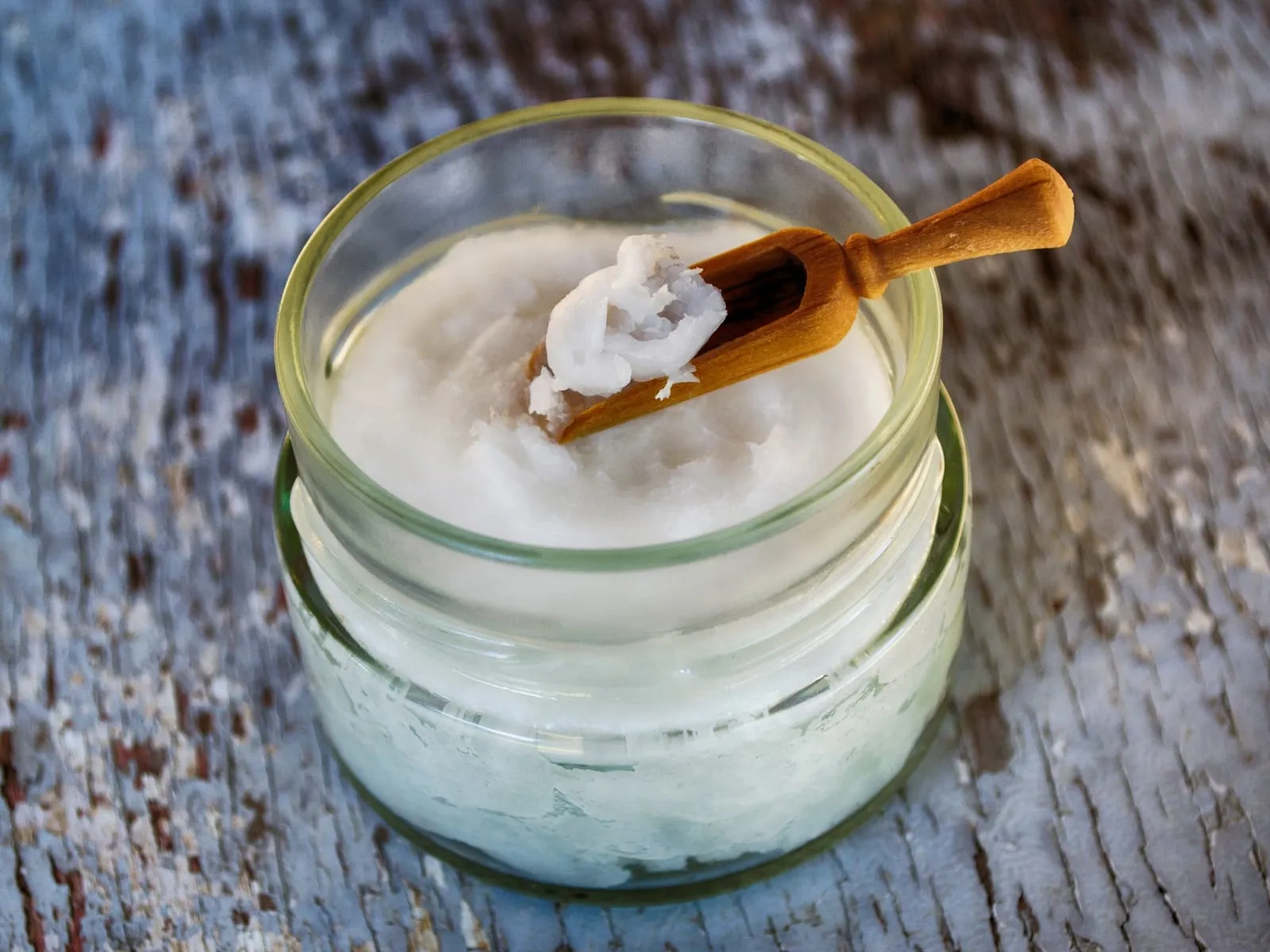
Superfat and lye discount are the same adjustment from opposite ends: a 5% superfat and a 5% lye discount both mean using 95% of the stoichiometric lye. The deliberate shortfall is what guarantees no free alkali remains in the bar.
Superfat is the percentage of oil in a recipe deliberately left unsaponified. Lye discount is the percentage by which the lye is reduced below what the oils could consume. They are the same adjustment viewed from either end. A 5% superfat and a 5% lye discount produce an identical batch, and the number you choose is the single biggest lever on how a bar feels.
Why anyone would use less lye than the recipe needs
Three reasons, in order of importance.
Margin for error. Fats vary. A saponification value is an average for a category, and the actual olive oil in your bottle is not identical to the reference figure. Scales drift. Lye absorbs moisture from the air, so a stored batch is not quite pure NaOH. Building in a deliberate shortfall means small errors land in a safe direction. Without it, an ordinary measurement slip produces a lye-heavy bar.
Feel on skin. Free fatty acids left in the bar are conditioning. A 1% superfat bar and an 8% superfat bar made from the same oils are noticeably different: the first cleans hard and can feel tight, the second feels cushioned.
Choosing what stays. In principle you can superfat with a specific oil added after trace, hoping the expensive one survives. In practice saponification does not respect intent. The alkali reacts with whatever is available, roughly in proportion. Adding shea at the end mostly buys you a marginal shift, not a shea-coated bar.
The arithmetic
Every fat has a saponification value: the mass of NaOH required to fully saponify one gram of it. Take a simple three-oil recipe of 1000 g total.
| Oil | Amount | SAP value (NaOH) | Lye required |
|---|---|---|---|
| Olive oil | 500 g | 0.135 | 67.5 g |
| Coconut oil | 350 g | 0.183 | 64.1 g |
| Castor oil | 150 g | 0.128 | 19.2 g |
| Total | 1000 g | 150.8 g |
That 150.8 g is the full saponification value, the amount that would convert every last molecule of oil, leaving nothing spare. Nobody uses it.
Apply a 5% superfat:
150.8 g × (1 − 0.05) = 143.3 g NaOHYou use 143.3 g of lye. The 7.5 g shortfall means roughly 5% of your oils never react and stay in the bar as free fatty acids.
Then the water. A common starting point is a 2:1 water-to-lye ratio:
143.3 g × 2 = 286.6 g waterWhich gives the full batch:
- Oils: 1000 g
- Sodium hydroxide: 143.3 g
- Water: 286.6 g
Choosing a number
| Superfat | Suits | Trade-off |
|---|---|---|
| 0–2% | Laundry and utility bars, salt bars | Cleans aggressively; no margin for measurement error |
| 3% | High-coconut recipes that need taming | Firm, long-lasting, still fairly cleansing |
| 5% | The default for a body bar | Balanced: start here |
| 8% | Facial bars, dry skin, winter | Softer bar, shorter shelf life, lather suppressed |
| 10%+ | Rarely justified | Greasy feel, dulled lather, oils go rancid sooner |
Two adjustments worth knowing:
- Salt bars are normally made at 15–20% superfat. The high salt content and heavy coconut oil would otherwise be brutally stripping, and salt suppresses lather regardless.
- High-coconut recipes need a higher superfat than the same percentage would imply elsewhere, because lauric acid soap is so cleansing. A 100% coconut bar at 20% superfat is a pleasant bar; at 5% it is a degreaser.
The ceiling nobody mentions
More superfat is not more moisturising past a point, and there is a real cost: unsaponified oil goes rancid. Free fatty acids oxidise, and that is what produces dreaded orange spots: the small rust-coloured freckles that appear on ageing bars and carry a stale, crayon-like smell.
The risk compounds with two other factors:
- Oils high in linoleic acid, such as sunflower, grapeseed and hemp, oxidise fastest. A high superfat of a fragile oil is the worst combination.
- Warmth and humidity accelerate it, so a hot climate shortens every estimate.
For a bar meant to sit on a shelf for a year in a warm place, 5% with stable oils will outlive 10% with fragile ones, and feel better at month eleven.
What to remember
Superfat and lye discount are two names for one number. Five percent is the right default and you need a specific reason to leave it. The safety margin it provides is the point, not a side effect, and it is why finished soap contains no lye at all.
Sources
- primaryHandcrafted Soap & Cosmetic Guild: Superfatting and the Lye DiscountThe trade association's worked example of a lye discount, and its note that oils recovered from discounted versus superfatted soap were virtually identical.
- secondarySoapCalc oil list: SAP valuesThe saponification values used in the worked calculation below.
Read next
All articles →
The Craft
Why Real Soap Is Alkaline, and What pH-Balanced Bars Really Are
True soap always tests alkaline, usually between pH 8 and 11. Here is why that follows from the chemistry, and what a bar sold as pH 5.5 actually contains.
The Craft
How Long Each Type of Soap Needs to Cure
Cure times by recipe type, what is actually happening during the cure, and which of the numbers everyone repeats are measured rather than inherited.
The Craft
What Is Saponification? The Chemistry of Every Soap Bar
Saponification is the reaction that turns fat and lye into soap and glycerine. Here is what happens molecule by molecule, and why no lye survives it.