How to Make a Bar of Soap Last Longer
Most bars do not wear out, they dissolve. Six habits that slow that down, from the soap dish to the cure, and why a handmade bar rewards them more than most.
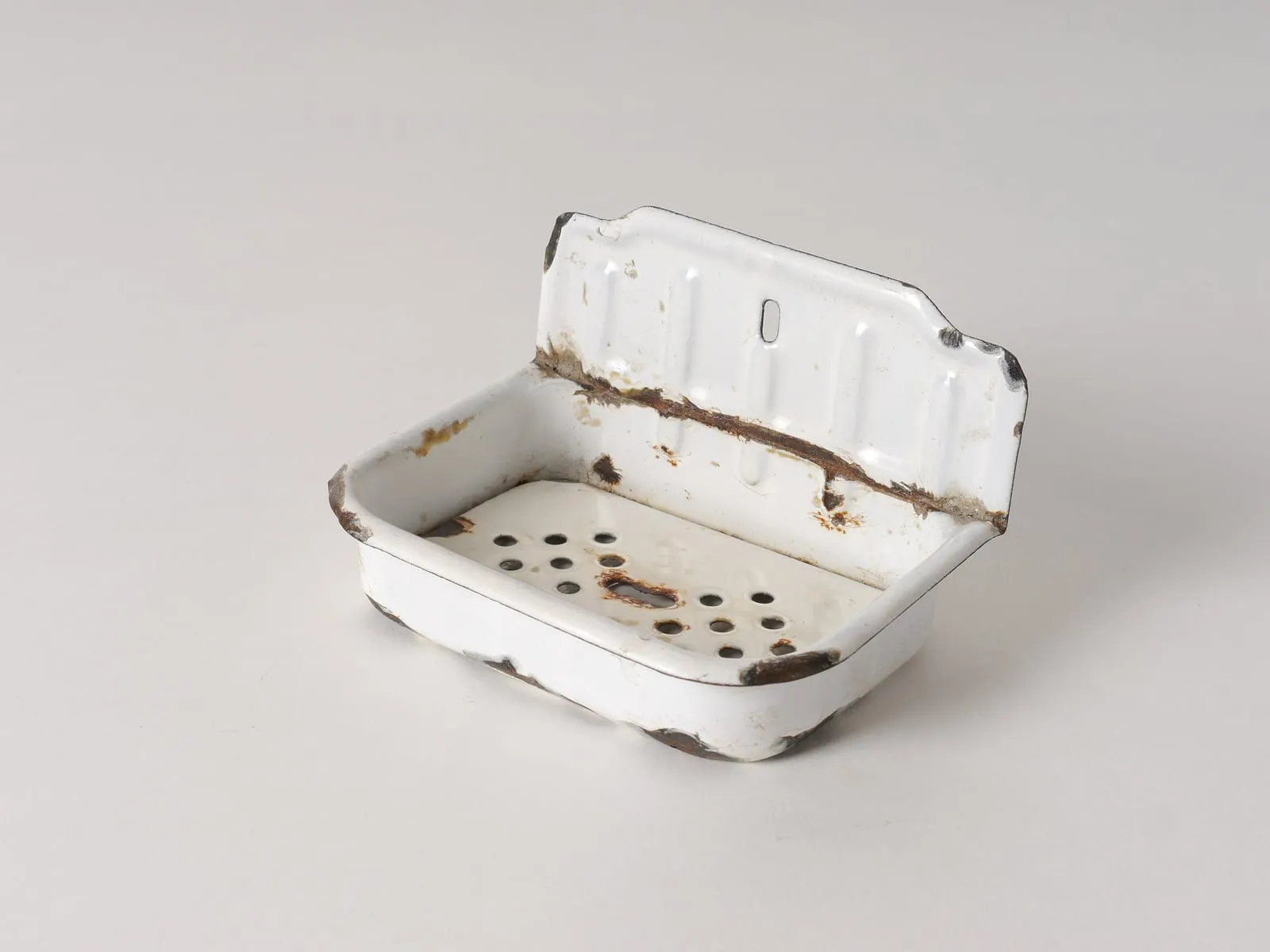
A bar of soap lasts longest when it dries out completely between uses. Keep it on a dish that drains, out of the shower spray, and cut big bars in half. A fully cured bar also lasts far longer than a fresh one, because it holds less water to lose.
A bar of soap rarely gets used up. Most of it dissolves into a puddle at the bottom of the dish while nobody is touching it. Slow that down and the same bar can last twice as long. None of this needs special equipment, only a few habits.
1. Use a dish that drains
This one change matters more than the other five put together.
A bar sitting in standing water absorbs it, softens and turns to slime on the underside. A dish with slats, ridges or holes lets water run off and air reach the base. Wood, ceramic with drainage holes and simple wire racks all work. A solid saucer with no drainage is the single most common reason a good bar disappears in a fortnight.
2. Keep it out of the spray
Soap on a shelf directly under the shower head is being washed every time anyone showers, whether or not they use it. Move it to a corner the water does not reach. It is a five second change and it adds weeks.
3. Let it dry between uses
The goal is a bar that is dry to the touch before its next use. If two people shower back to back, a second bar for the second person is cheaper than it sounds, because each bar spends longer drying.
4. Cut big bars in half
A smaller piece in use means less surface area exposed to water at any one time. Keep the other half dry and wrapped until the first is finished. This is especially worth doing with large or soft bars.
5. Store spares somewhere dry
Unopened bars keep best in a cool, dry place with some airflow. A drawer or shelf is fine. A humid bathroom cabinet is not, because the bars will start taking on moisture before you have used them.
6. Start with a well-cured bar
This is the part you control at the shop rather than at home.
A freshly made cold process bar still holds a lot of the water from its lye solution. Over a cure of several weeks most of that water leaves, and the bar becomes harder and denser. A hard bar dissolves slowly. A soft, under-cured bar dissolves quickly no matter how carefully you treat it.
That is why the cure time a maker gives you is worth asking about. It tells you more about how long a bar will last than its weight does. We go through the timeline in detail in how long soap needs to cure.
Why handmade bars reward this more
Handmade cold process soap keeps all of its glycerine, which is a humectant: it attracts water from the air. That is part of why it feels gentle on skin. It also means the bar is quicker to soften in a wet environment than a dense commercial bar. Good drainage matters more for a handmade bar, not less.
The short version
Keep it dry, keep it out of the water, and buy bars that have been cured properly. A bar treated this way lasts for weeks longer, and the cost of the soap you use falls by the same amount.
Read next
All articles →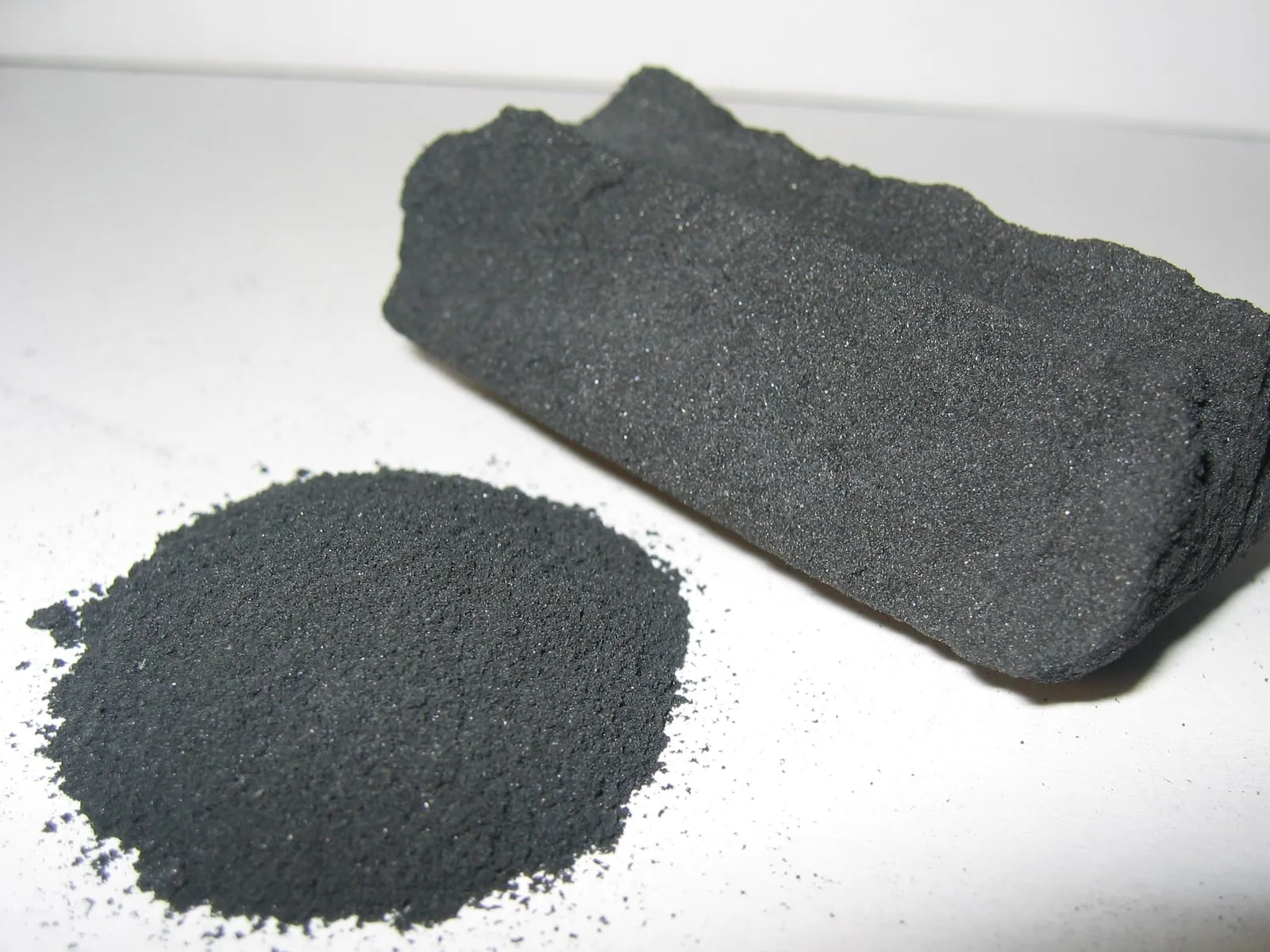
Ingredients
Activated Charcoal in Soap: What It Does and What It Does Not
Charcoal soap is sold as a detox. The real story is smaller and more useful: what activated charcoal does in a rinse-off bar, and which claims to ignore.
Buying Well
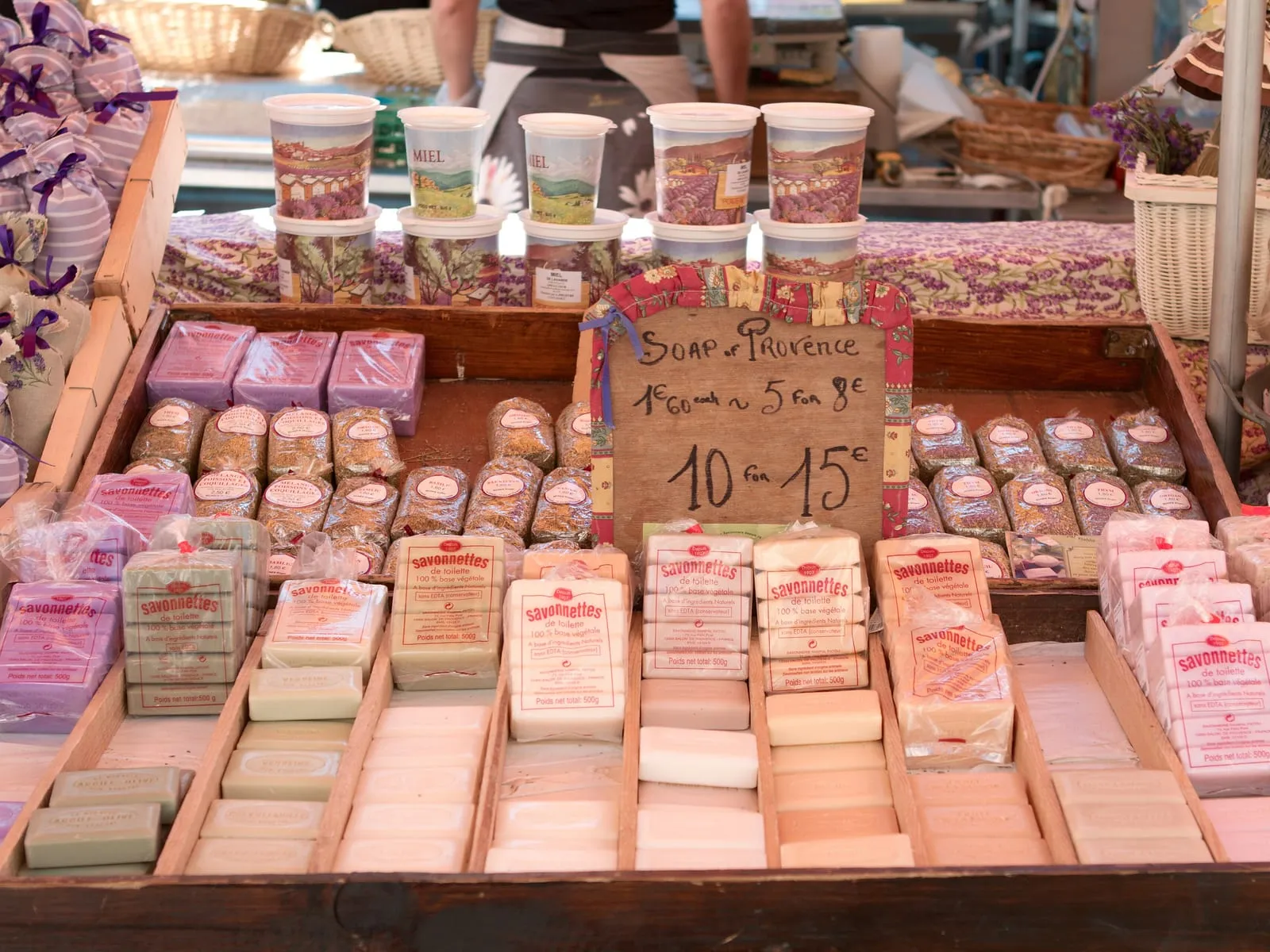
Why Handmade Soap Costs More Than a Supermarket Bar
A handmade bar can cost several times a supermarket one. Where that money goes: the oils, the weeks on a curing rack, the glycerine, and the work done by hand.
The Craft
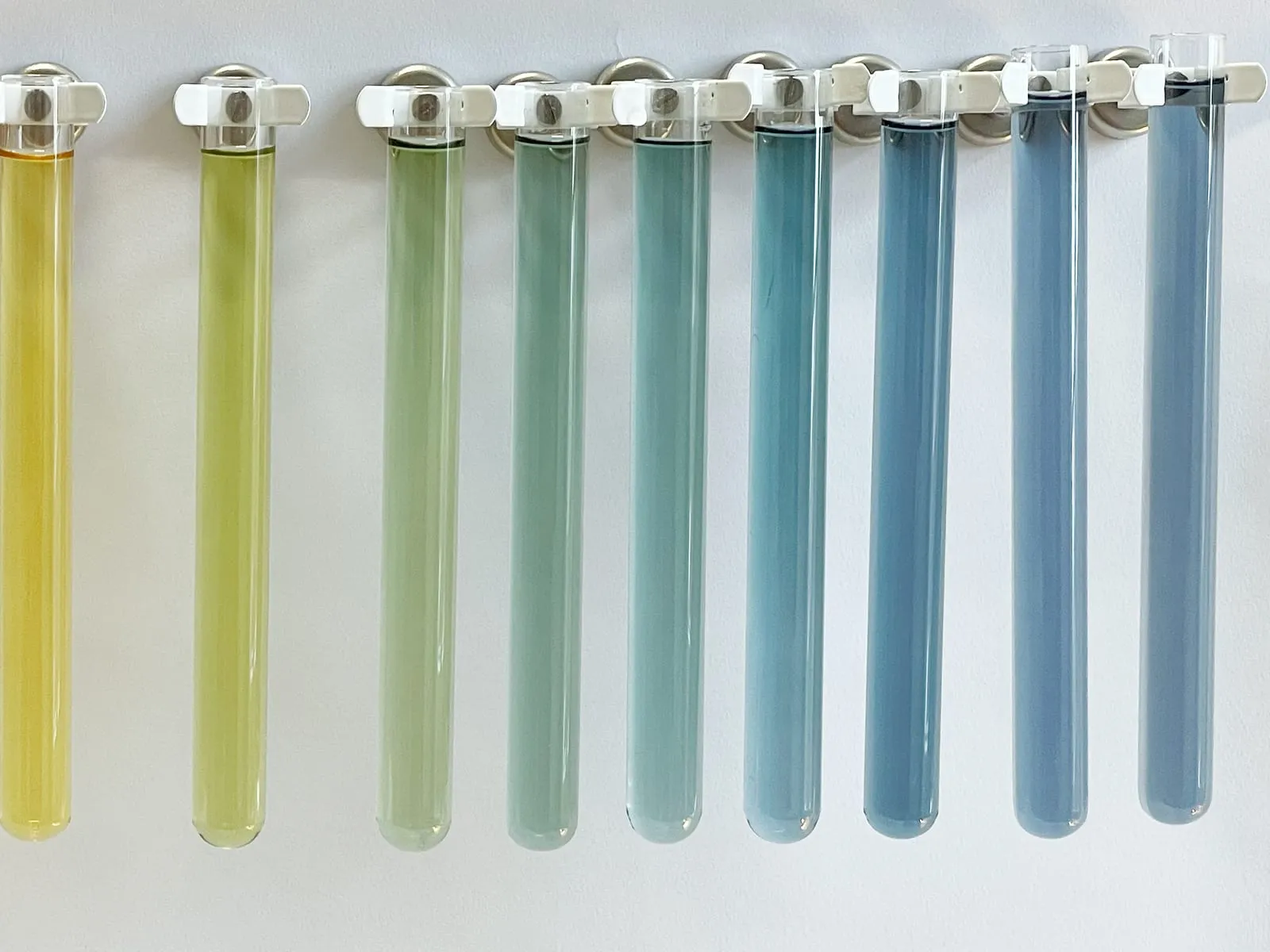
Why Real Soap Is Alkaline, and What pH-Balanced Bars Really Are
True soap always tests alkaline, usually between pH 8 and 11. Here is why that follows from the chemistry, and what a bar sold as pH 5.5 actually contains.