Why Handmade Soap Costs More Than a Supermarket Bar
A handmade bar can cost several times a supermarket one. Where that money goes: the oils, the weeks on a curing rack, the glycerine, and the work done by hand.
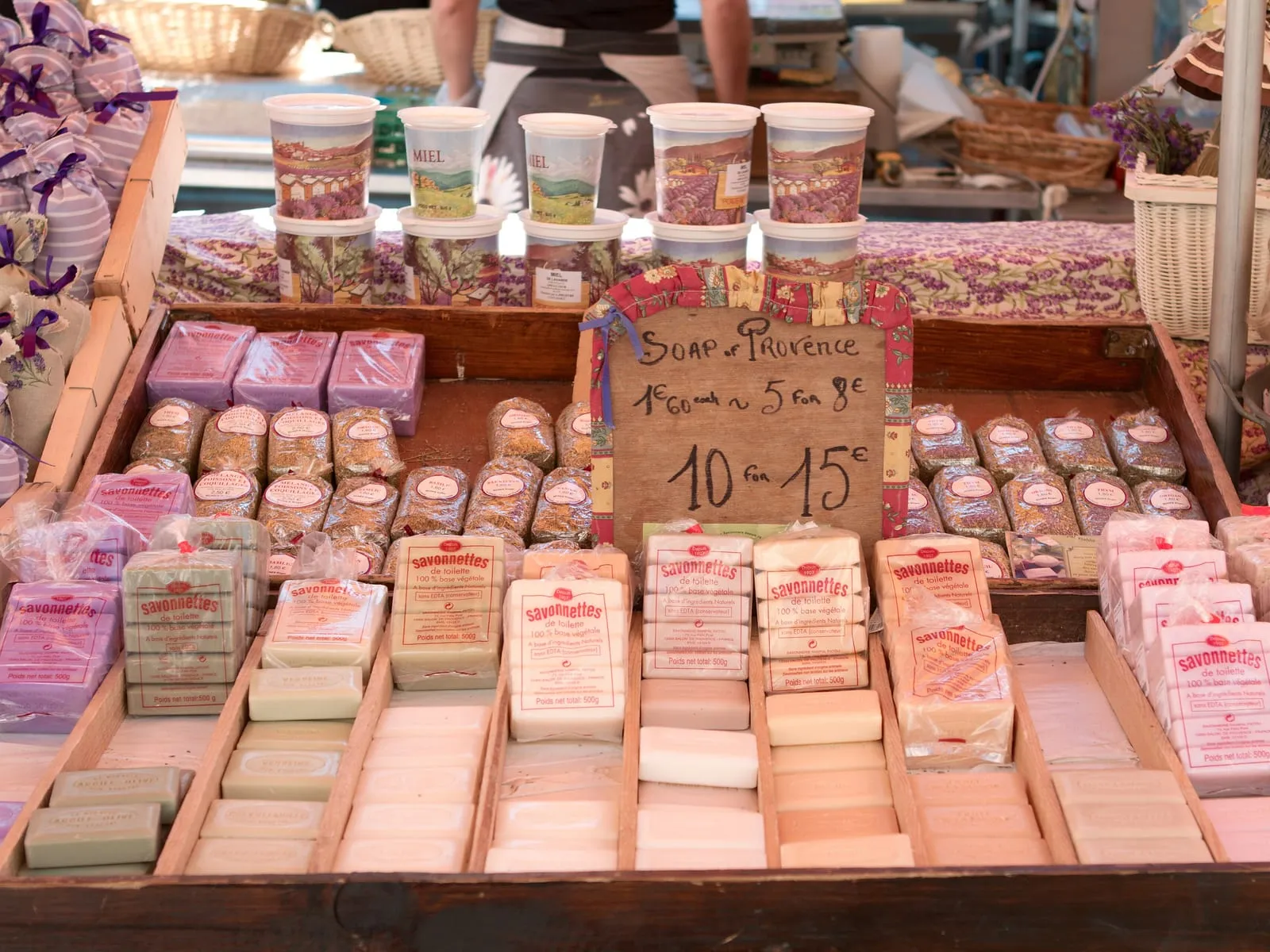
Handmade cold process soap costs more because it uses more expensive oils and butters, is made in small batches, keeps all its glycerine, and sits on a curing rack for four to six weeks before it can be sold. Each of those is a cost a large factory either avoids or spreads across millions of bars.
A supermarket bar and a handmade one can look similar on a shelf and cost very different amounts. It is a fair thing to question. Here is where the difference actually goes, line by line.
1. The oils and butters
Every bar of soap starts as fat. What separates bars is which fats.
A handmade bar is usually built on oils and butters chosen for how the finished soap feels: olive, coconut, shea, mango or cocoa butter, and often an infused oil on top. These cost much more per kilo than the inexpensive fats that can go into commodity soap. The fat is the largest single ingredient in a bar, so this difference shows up directly in the price.
2. The cure
This is the cost nobody sees.
A cold process bar needs four to six weeks on a rack after it is made, while water leaves and the bar hardens. For that whole time it cannot be sold. It takes up shelf space, it needs a dry room with airflow, and the money spent on its ingredients is tied up until it is ready.
A factory process does not wait like this. Industrial soap is dried and pressed in a continuous line, so the bar can be packed quickly. That speed is efficient. It is also part of why the two products are different. We explain what the cure does in how long soap needs to cure.
3. The glycerine stays in
When fat becomes soap, glycerine is released alongside it. In cold process soap it simply stays in the bar, which is part of why handmade soap feels gentle and moisturising.
In large-scale soapmaking, glycerine does not always stay in the soap. It is a valuable product in its own right, and depending on the process it may be recovered and sold separately. Keeping it in the bar means giving up that value.
4. Small batches, done by hand
A small workshop might make a few dozen to a few hundred bars at a time. Each batch is weighed, mixed, poured, unmoulded, cut and turned on the rack by hand. A factory makes the same quantity in minutes with almost no labour per bar.
The work does not get cheaper per bar until volumes are very large, and most handmade makers never reach that scale.
5. Everything else is smaller-scale too
Packaging, labels and courier costs are all priced for small quantities. A large brand buying boxes by the million pays a fraction of what a workshop pays for a few thousand. None of that is visible on the bar, and all of it is in the price.
What you get for the difference
Usually a bar that feels softer on skin, keeps its glycerine, and, if it has been cured properly, lasts longer than its size suggests. Whether that is worth the difference is a personal call. It is easier to make once you know what you are paying for.
The short version
Handmade soap costs more because of better oils, a cure of several weeks, glycerine left in the bar, small batches and hand labour. A factory avoids or spreads most of those costs. Neither is a con. They are two different products made in two very different ways.
Sources
- secondaryWikipedia: SoapGlycerol is liberated during saponification and is only sometimes left in the finished soap.
Read next
All articles →
Buying Well
How to Read a Soap Label Without Being Sold To
Saponified oils, INCI names, syndet bars and the word natural. A practical guide to telling real cold process soap from a decorated commercial base.
Ingredients
Activated Charcoal in Soap: What It Does and What It Does Not
Charcoal soap is sold as a detox. The real story is smaller and more useful: what activated charcoal does in a rinse-off bar, and which claims to ignore.
Buying Well
How to Make a Bar of Soap Last Longer
Most bars do not wear out, they dissolve. Six habits that slow that down, from the soap dish to the cure, and why a handmade bar rewards them more than most.