Cold Process vs Melt and Pour vs Hot Process Soap
The three common ways to make soap differ in chemistry, control and cure time. Here is what genuinely separates them, and which one suits what you want.
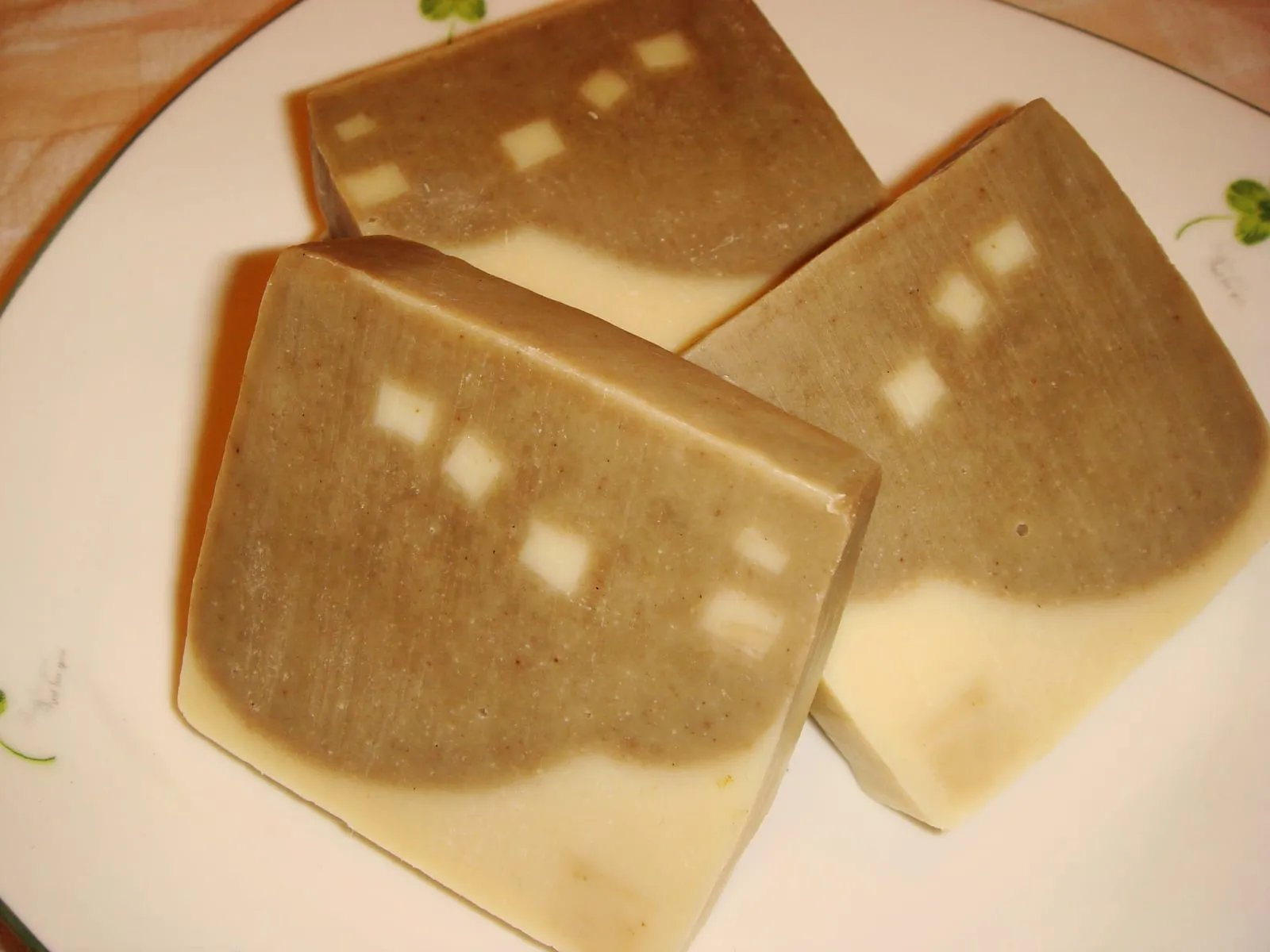
Cold process and hot process are both soapmaking: fats react with lye to make soap. Melt and pour is not. It is remelting a soap base a factory already saponified. The difference decides what you control, what you can add, and how long you wait.
The short version: cold process and hot process are both real soapmaking: you combine fats with a lye solution and the saponification reaction makes soap. Melt and pour is not soapmaking at all; it is remelting soap that a factory already made. The difference matters because it decides what you can control, what you can put in, and how long you wait.
The one distinction that actually matters
Every genuine bar of soap is the product of a single reaction: a fat plus a strong alkali gives you soap and glycerine. The question each method answers is when the heat arrives.
- Cold process lets the reaction generate its own heat and run to completion slowly, in the mould, over days. Then the bar sits and dries for weeks.
- Hot process cooks the batch to force the reaction to finish in about an hour, so the bar is technically usable almost immediately.
- Melt and pour buys a finished soap base, melts it, adds colour and fragrance, and sets it. No reaction takes place in your kitchen.
Everything else follows from that: texture, additive survival, cure time, and how much a maker can honestly claim.
Side by side
| Cold process | Hot process | Melt and pour | |
|---|---|---|---|
| Do you handle lye? | Yes | Yes | No |
| When it is usable | 4–6 weeks | 1–2 days | Once set |
| Control over the oil blend | Total | Total | None |
| Texture | Smooth, hard, fine-grained | Rustic, slightly craggy | Glassy, uniform |
| Delicate additives survive | Mostly | Often damaged by the cook | Yes |
| Glycerine | Retained | Retained | Usually retained, but base-dependent |
| Skill floor | Moderate | Moderate | Very low |
| Honest label | Handmade soap | Handmade soap | Hand-decorated, not handmade |
Why cold process is the default for serious makers
Two reasons, and neither is romantic.
You choose the fats. The oil blend is the bar. Olive oil gives a mild, conditioning, slow-lathering soap that gets harder with age. Coconut oil gives hardness and big bubbles, and strips skin if you overdo it. Castor oil in small amounts stabilises lather. Shea and cocoa butter add hardness and a creamy feel. A cold process maker sets those ratios deliberately. A melt and pour maker inherits whatever the base manufacturer chose, which is usually optimised for shelf stability and cost.
Low temperature protects what you added. Because cold process never gets cooked, botanical infusions, delicate essential oils and clays go in near the end at low heat and mostly survive. Hot process runs the batch at 80–100°C for the better part of an hour, which flashes off a meaningful share of the volatile aromatics you paid for.
The trade is patience. A cold process bar poured today is not ready until roughly six weeks from today. That is not a marketing convention. It is what the cure is physically doing.
When hot process is genuinely the better choice
Hot process gets unfairly dismissed. It earns its place when:
- You need it now. No six-week wait for a bar that is safe to use.
- You are working with unpredictable additives. Because the reaction has already finished when you add them, you know exactly what the lye will and will not touch.
- You want the look. The rustic, textured top is a deliberate aesthetic, not a defect.
The costs are control over appearance, since the thickened batter will not do fine swirls, and some loss of heat-sensitive fragrance.
Where melt and pour still makes sense
It is the right answer for a school holiday project, a craft stall selling novelty shapes, or anyone who wants soap-adjacent fun without sodium hydroxide in the house. That is a legitimate thing to want.
What it is not is a basis for calling a product handmade, natural or artisanal. If a listing says “handmade soap” and the ingredients begin with sorbitol, propylene glycol, sodium laureth sulfate, you are looking at a decorated commercial base. That is readable straight off the label.
So which should you pick?
- You want the best bar and can wait six weeks: cold process.
- You want a real bar this weekend: hot process.
- You want a fun afternoon and no caustic chemicals: melt and pour.
- You are buying rather than making: cold process, and check the cure date.
The method is not a moral hierarchy. It is a set of trade-offs between control, time and risk, and the right pick depends entirely on which of the three you have to spend.
Sources
- primaryChildren's soap pH analysis and its meaning in children's skin cleansing, Revista Paulista de Pediatria (2025)Measured pH across 96 retail products: the figures behind the pH claim in this article.
Read next
All articles →
Buying Well
Why Handmade Soap Costs More Than a Supermarket Bar
A handmade bar can cost several times a supermarket one. Where that money goes: the oils, the weeks on a curing rack, the glycerine, and the work done by hand.
Buying Well
How to Read a Soap Label Without Being Sold To
Saponified oils, INCI names, syndet bars and the word natural. A practical guide to telling real cold process soap from a decorated commercial base.
The Craft
How Long Each Type of Soap Needs to Cure
Cure times by recipe type, what is actually happening during the cure, and which of the numbers everyone repeats are measured rather than inherited.