Manjistha (Indian Madder) in Soap: Colour, Tradition and Evidence
Manjistha is Rubia cordifolia, the Indian madder root that dyes a soap rose to red-brown. Where it comes from, what it does in a bar, and what is only tradition.
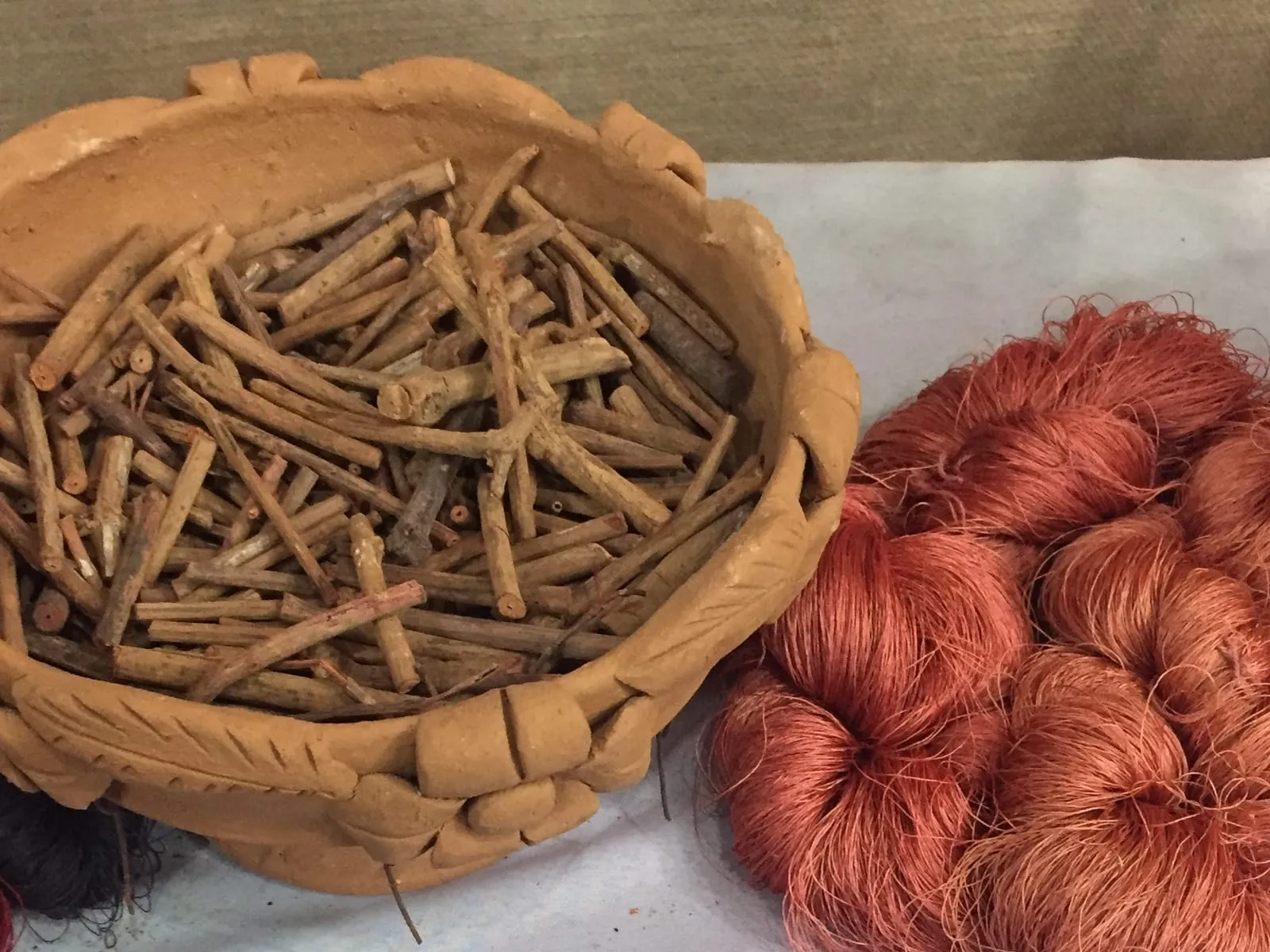
Manjistha is the root of Rubia cordifolia, also called Indian madder. It is a traditional Ayurvedic ingredient and a natural red dye, and in soap its main job is colour, giving shades from dusty rose to red-brown. Claims that it treats skin conditions rest on tradition rather than strong clinical evidence.
If a handmade soap is rose, brick or red-brown without a synthetic colourant on the label, there is a good chance the colour came from a root. In India, the root is usually manjistha.
What manjistha is
Manjistha is the root of Rubia cordifolia, a climbing plant in the coffee family. In English it is called Indian madder, a relative of the European madder whose root dyed red cloth for centuries. In Ayurveda the root is known by its Sanskrit name, Manjistha.
The root is the useful part. Dried and powdered, it gives a red colour that has been used to dye textiles for a very long time.
What it does in soap
Its main job in a bar is colour.
How the colour turns out depends on how the root goes in:
- Infused into oil first, it tends to give softer, dusty rose tones.
- Added as powder to the batter, it tends to give deeper, browner reds, often with fine speckles.
- The amount matters more than anything else. A little gives pink; more gives red-brown.
The exact shade also shifts with the oils in the recipe and the alkaline conditions of saponification, which is why two makers using the same root rarely get the same colour.
The tradition, and the evidence
Manjistha has a long place in Ayurveda, where it is traditionally associated with clear, even skin. That history is genuine, and it is a big part of why the root shows up in Indian skincare.
What is much thinner is clinical evidence that manjistha in a rinse-off soap treats pigmentation, acne or any skin condition. A bar is on your skin for under a minute. We are not aware of good studies showing an effect at that level, and we would rather say so than borrow a medical promise from tradition.
If you are treating a skin condition, see a dermatologist. If you want a beautifully coloured bar with a real place in Indian craft, manjistha is an excellent choice for exactly that.
How to spot real manjistha colour
- The label names it. Look for Rubia cordifolia, Indian madder or manjistha root.
- No synthetic colourant listed alongside it, such as CI numbers.
- Slight variation between bars in a batch, which is normal for plant colour.
The short version
Manjistha is Indian madder root. In soap it is first and foremost a natural colourant, ranging from rose to red-brown depending on how it is used. It has a long Ayurvedic tradition, and much less hard evidence for medical claims. A good manjistha bar is worth buying for its colour and its craft.
Sources
- secondaryWikipedia: Rubia cordifoliaThe botanical identity of manjistha, the name Indian madder, its use in Ayurveda, and its place among plant dyes.
Read next
All articles →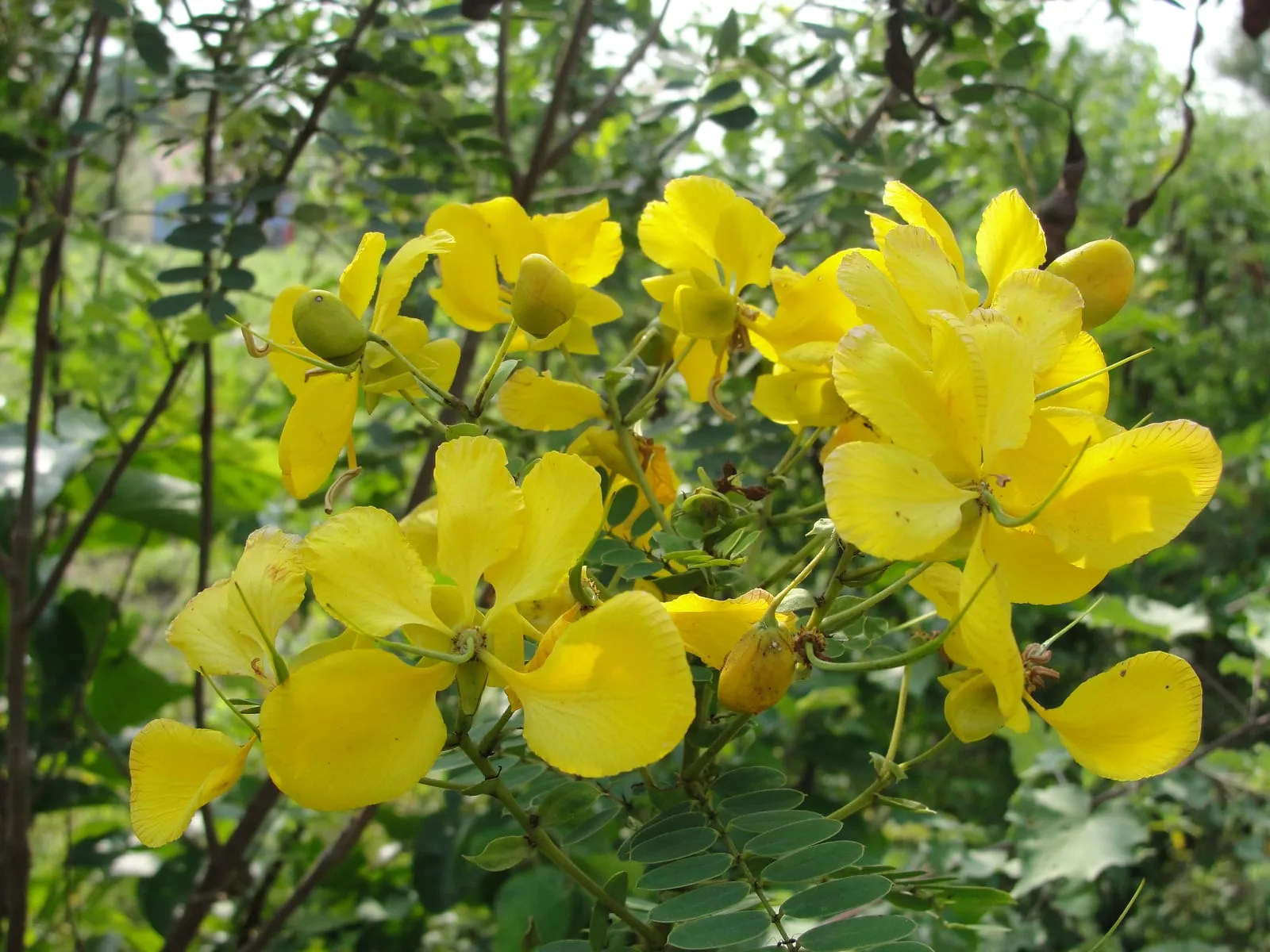
Ingredients
Tangedu (Tanner's Cassia): The Flower Behind a Telangana Soap
Tangedu is Senna auriculata, the state flower of Telangana and a fixture of Bathukamma. What the plant is, where its name comes from, and what we can honestly claim.
Ingredients
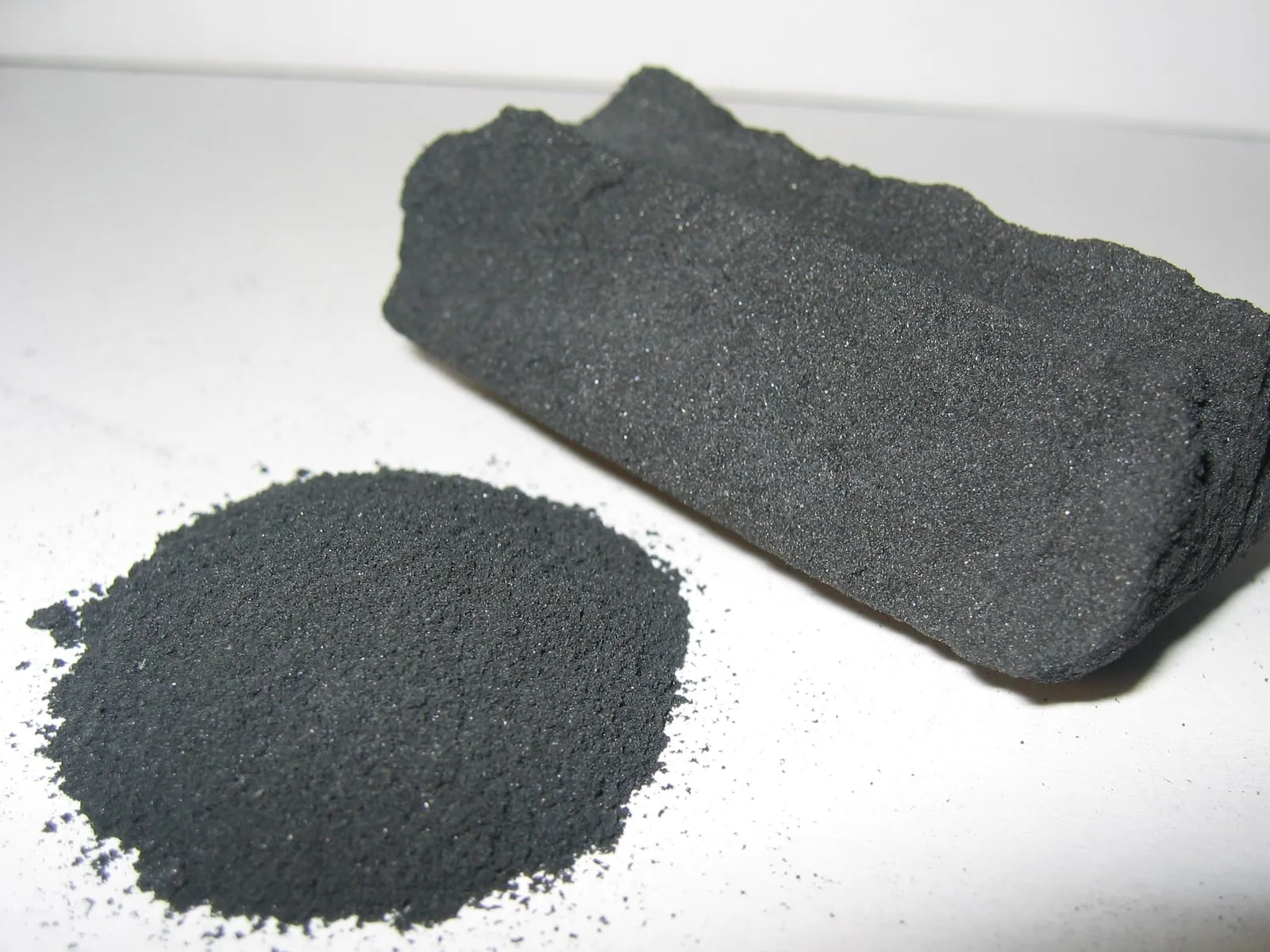
Activated Charcoal in Soap: What It Does and What It Does Not
Charcoal soap is sold as a detox. The real story is smaller and more useful: what activated charcoal does in a rinse-off bar, and which claims to ignore.
Ingredients
Kaolin, Pink, Green and Bentonite: Cosmetic Clays Compared
Cosmetic clays differ mainly in how much oil and water they absorb. Here is how the common ones compare, which is gentlest, and which suits which skin.